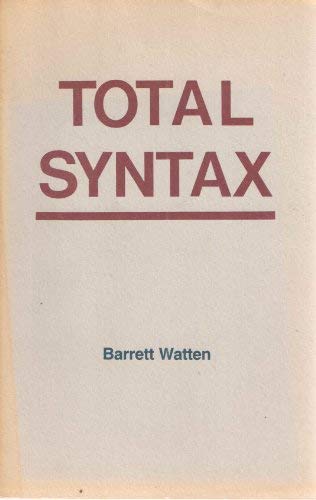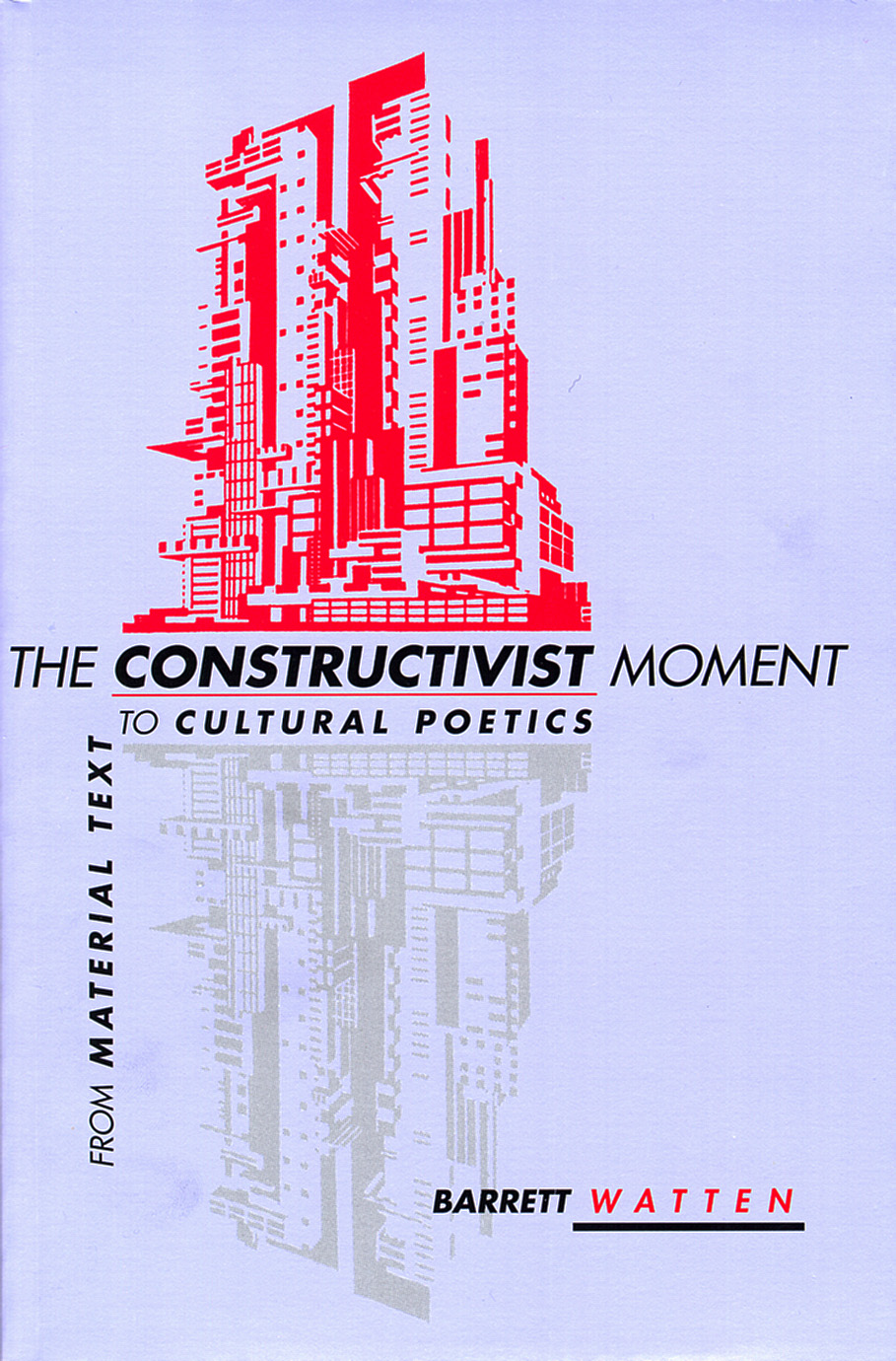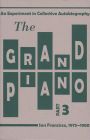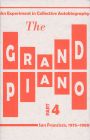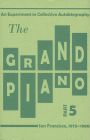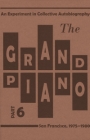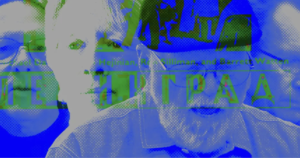
For the forthcoming publication of a newly translated Russian version of Leningrad: American Writers in the Soviet Union (here), I was asked to write an introduction, reflecting on the occasion, the time in between, and the present global situation. The original work comprised four sections of four entries each by the four authors, depicted above: Watten, Hejinian, Silliman, and Davidson. The project itself, based on a 1989 conference of avant-garde Russian and American poets (and others) as an event, has to a degree passed into lore—or better, was a self-conscious exploration of making lore, joining with a project of the ages where poetry (a poem, a body of work, a specific poet, a movement) creates a parallel text that circulates, perhaps anonymously and unwritten, to define the interpretive space (or “zone” in my sense) in which it may be situated and understood. I need only mention the Beat poets (especially the trinity Kerouac, Ginsberg, and Burroughs) to find an example of poetry creating its own lore along with its works (see my entry on “Language/Beats,” here). A new translation might take up this lore and possibly change it; with Leningrad, it seeks a new occasion, at the present moment of total disruption utterly unlike its initial time stamp. … More
Entries published during June, 2026
June 13, 2026
Entry 74: Language/Beats
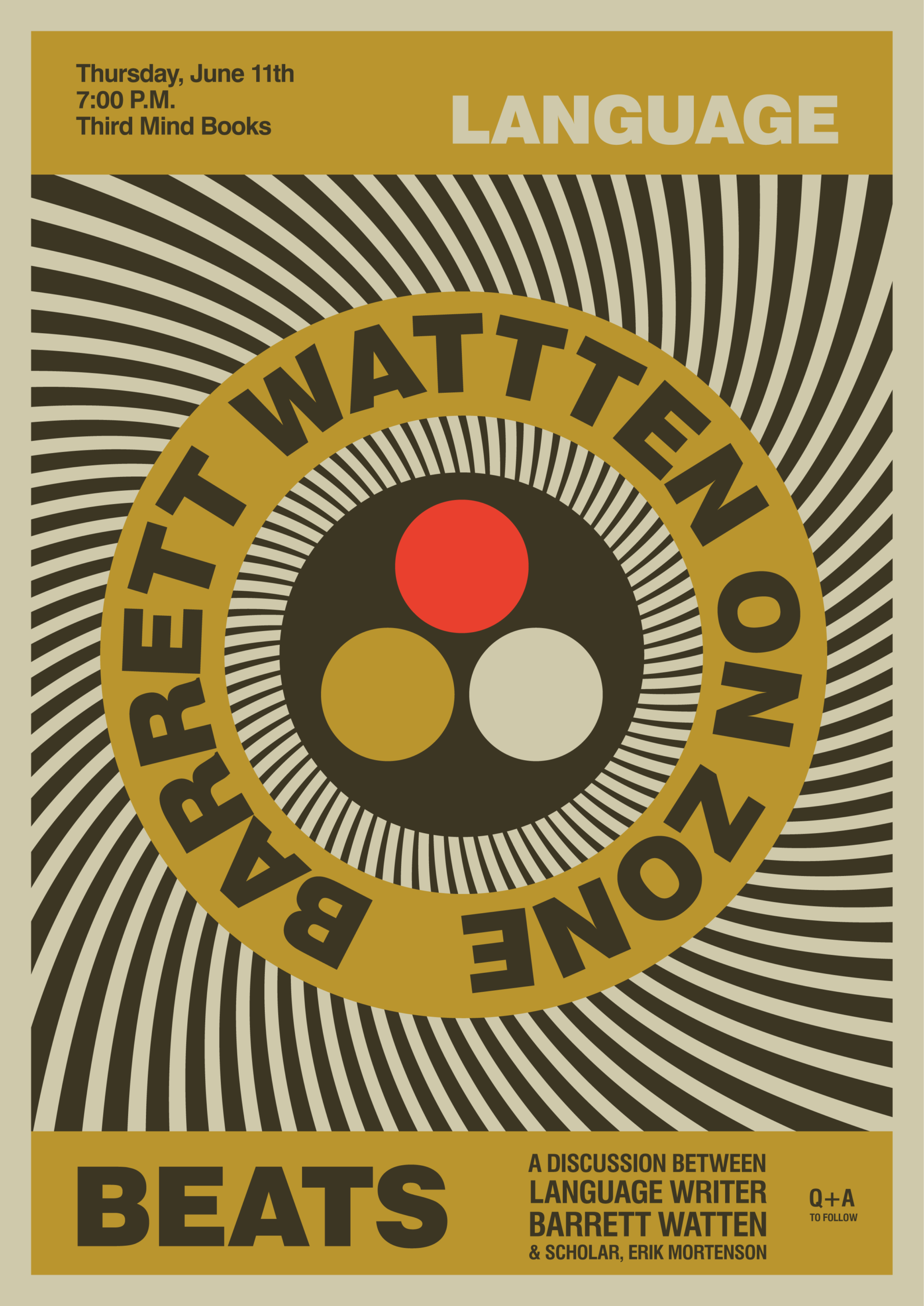
Language/Beats
Book event & discussion
Barrett Watten: Zone:
correlations (Chax Press)
Erik Mortenson: Allen Ginsberg
in Context (Cambridge UP)
Third Mind Books
118 E. Washington, Ann Arbor
June 11, 2026, 7:00 P.M.
On this day, Erik Mortenson and I took the stage to present and reflect on recent work, literary history, and our work together, which stretches back two decades since Erik was my first Ph.D. advisee at Wayne State University. His project was exemplary, on its own merits and in terms of what I wanted to direct: a comprehensive, revisionist, culturally reflexive account of the Beat movement. What resulted was his first book, Capturing the Beat Moment: Cultural Politics and the Poetics of the Present. I cannot stop recommending this book: it is “cultural poetics” as it should be: a synthesis of historical and contextual readings, revisionist expansion of the canon, and focused attention to form and media—with strong readings of key figures in a larger field of authors, history, genre, and meaning. Not only should his work be better known; it should be taught and emulated. And there is strong evidence that the range of poetics it takes part in continues, not least with Erik’s current edited volume, Allen Ginsberg in Context. It was the occasion of his publication and my own Zone that brought us to this “moment” of continuation. … More